
Reed switches from masetec
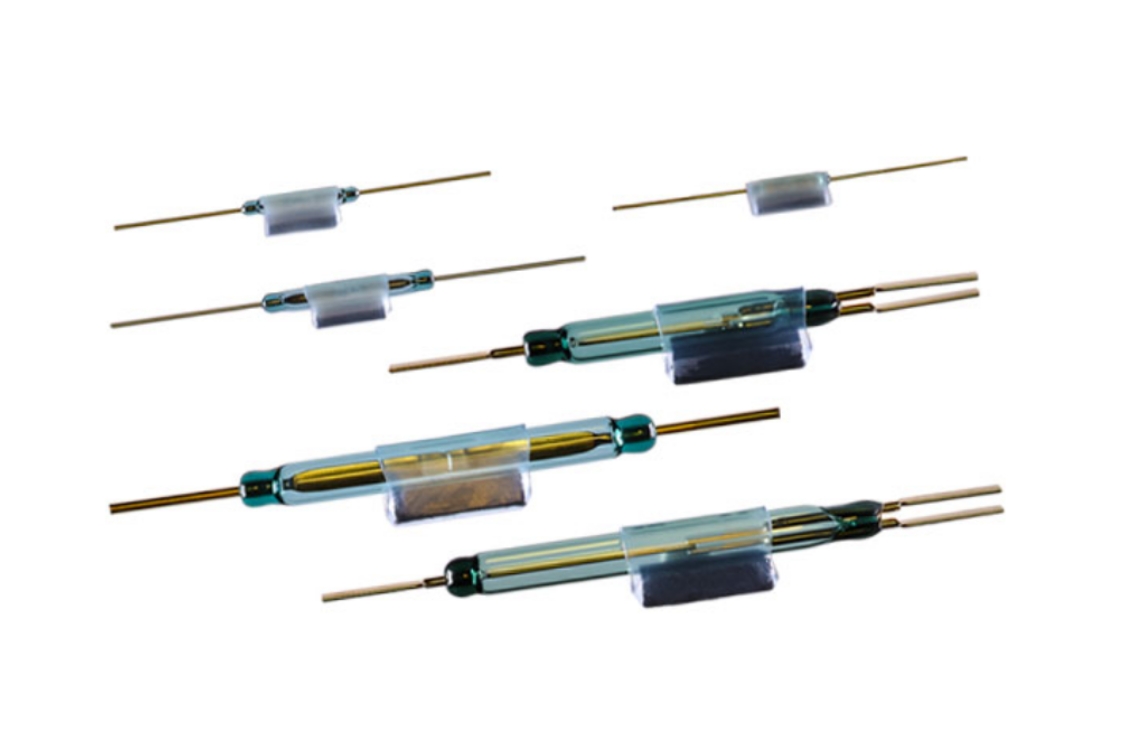
As an independent partner, masetec offers a comprehensive range from all leading reed switch manufacturers, which we tailor to your needs and applications. Our manufacturer-independent consulting enables us to consistently provide the best solution for your specific requirements.
Application Areas

Position monitoring, contactless switching, level monitoring, speed measurement
All benefits at a glance
Reliable switching function:
High precision and consistency in signal transmission.
Durable & wear-free:
Contactless actuation ensures minimal wear and a long service life.
Easy integration:
Compatible with existing circuits and systems.
Space-saving & lightweight:
Ideal for compact and lightweight applications.
High switching speed:
Responds quickly and reliably to magnetic fields.
Versatile applications:
From medical technology and automation to security technology.
Resistant to environmental influences:
Resistant to dust, moisture, and vibration.
Efficient & cost-effective:
Cost-effective solution with high performance.
Applications of reed switches

Design of reed switches
A reed switch consists of a hermetically sealed glass tube in which two ferromagnetic contact blades (reed blades) are enclosed under protective gas or in a vacuum. These contact blades overlap slightly but do not touch in the resting position.
The main components of a reed switch are:
1. Glass tube: Protects the contact blades from external influences such as moisture, dust, or mechanical stress.
2. Protective gas or vacuum: Prevents oxidation and increases the service life of the switch.
3. Reed blades: Thin, ferromagnetic metal blades that act as movable contacts.
4. Switching contact: The area where the reed blades close or interrupt the circuit when exposed to a magnetic field.
5. Connection wires: Connect the reed switch to the electrical circuit.
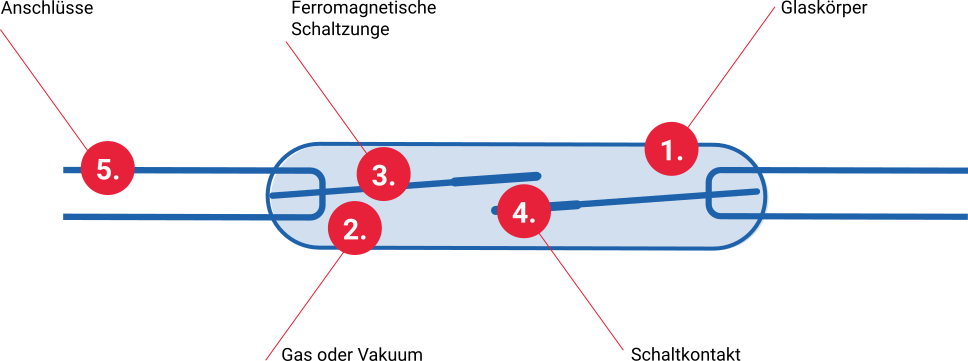
Basic design of a Form A switch
How reed switches work
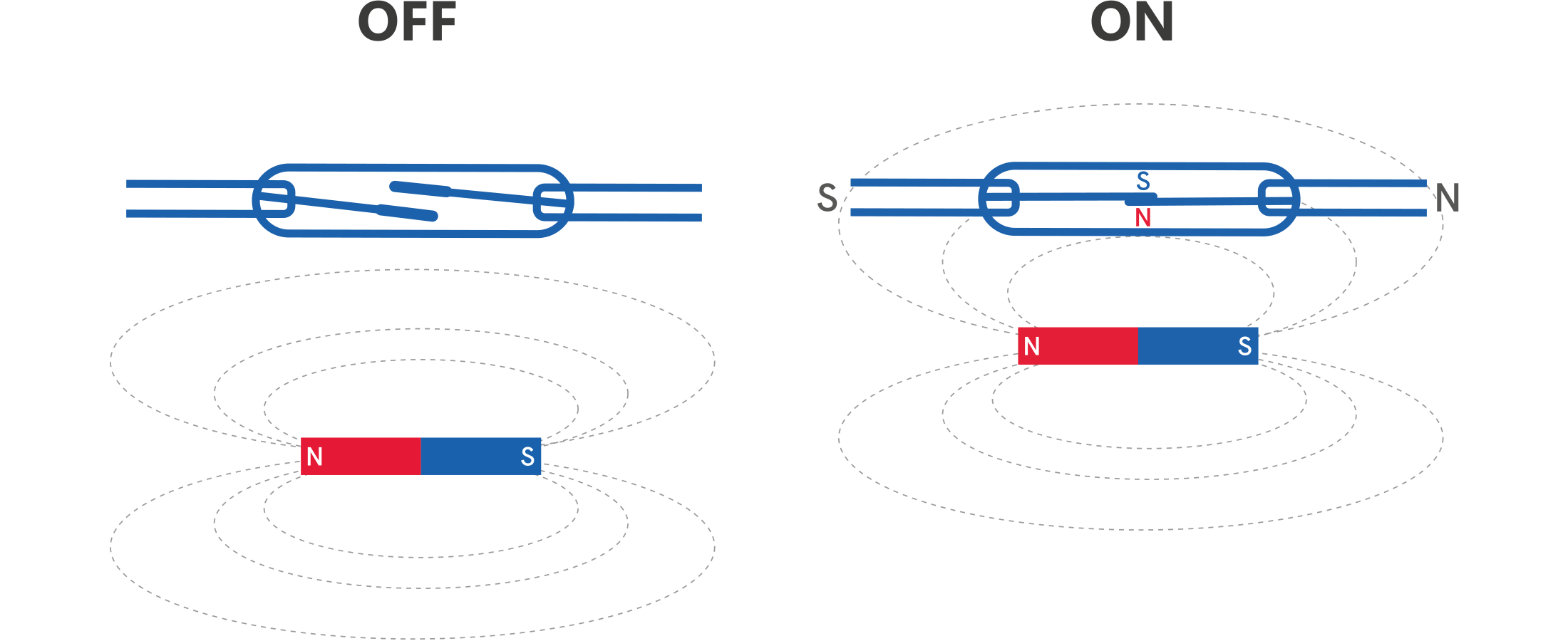
When exposed to a sufficiently strong magnetic field, the contact blades of a reed switch assume opposite polarity. This causes the contact to close and triggers a response.
Different reed switch types
Form A
Normally open | SPST-NO

Form B
Normally closed | SPST-NC

Form B (2)
Normally closed | SPST-NC

Form C
Changeover | SPDT

Form E
Bistable

Which product are you looking for?
Our reed switches at a glance
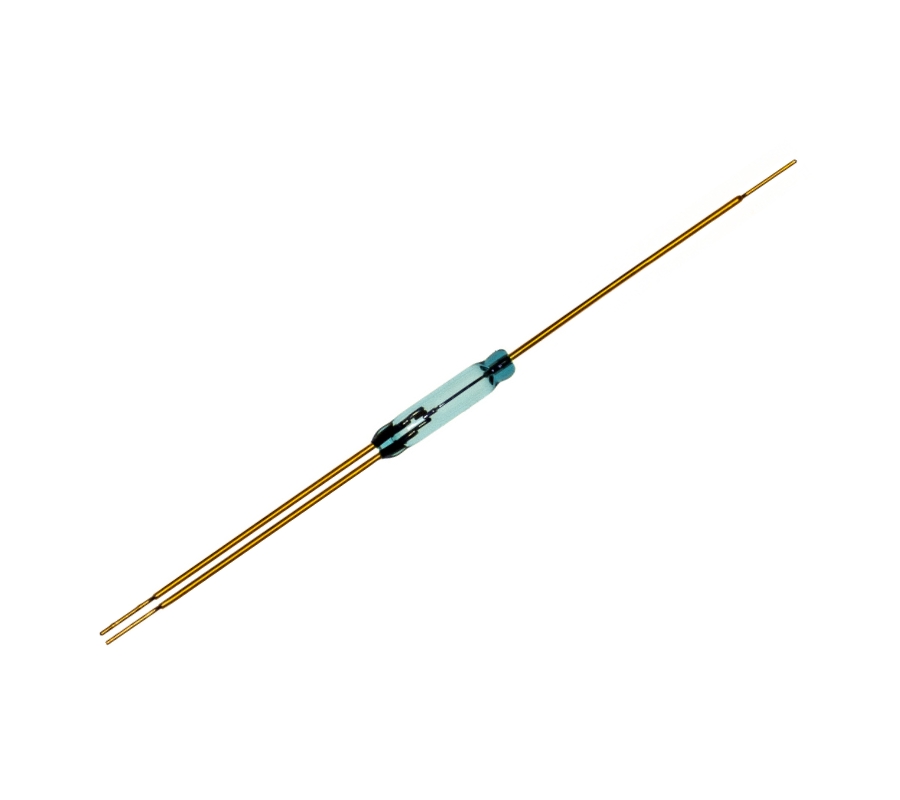
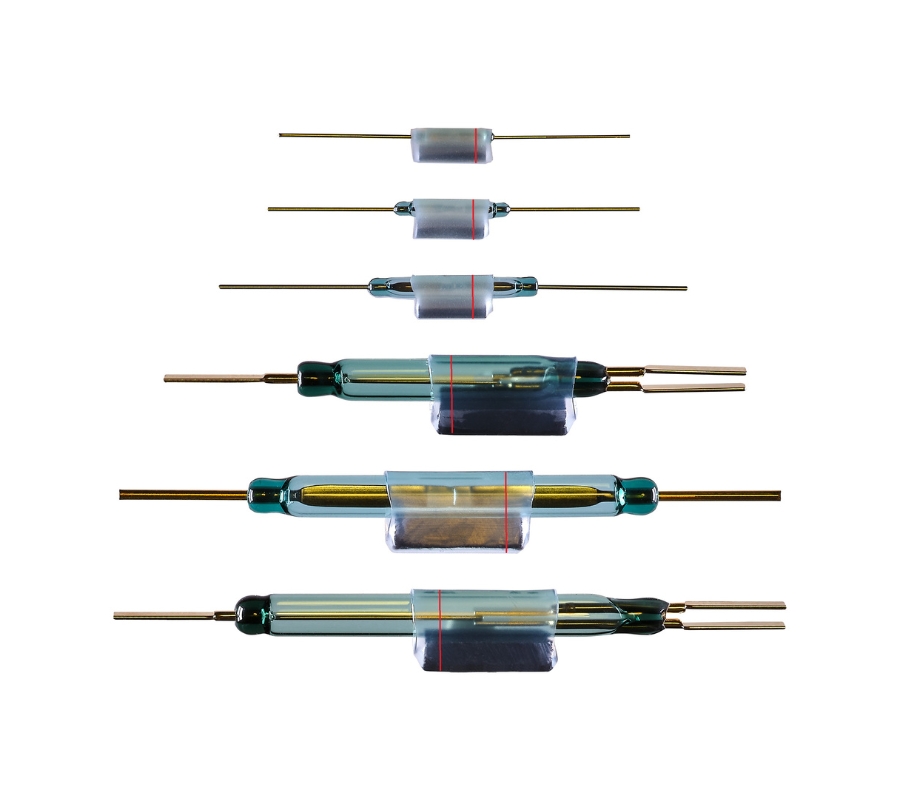
Standard
Reliable switching technology for versatile applications in industry and automation.
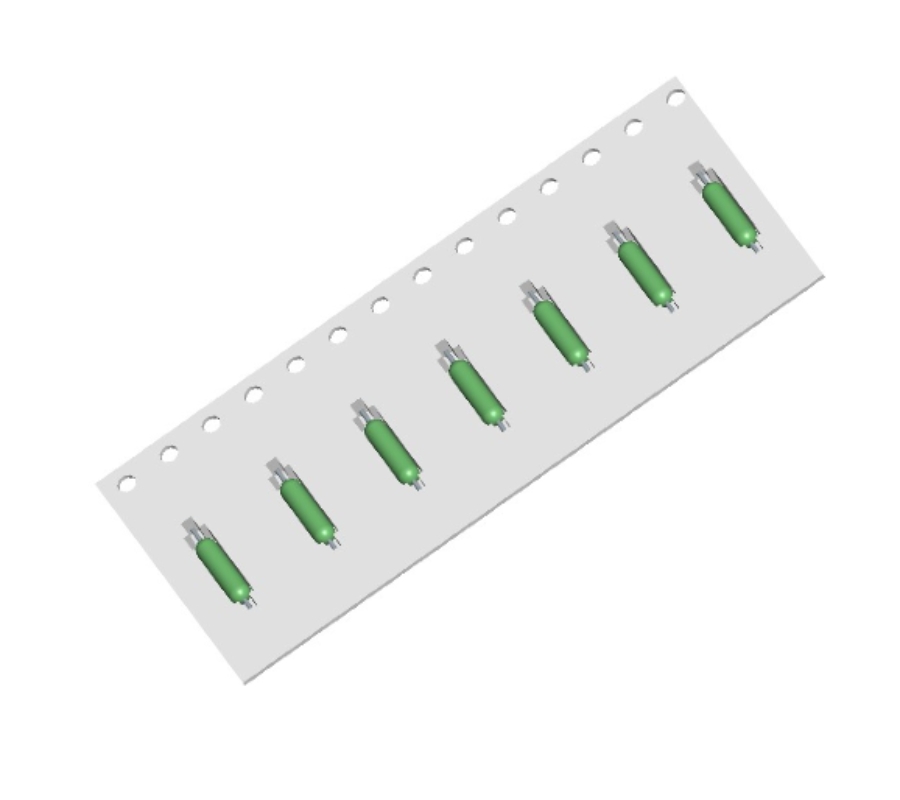
SMD
High-precision measurements and ideal for compact assemblies with limited space.
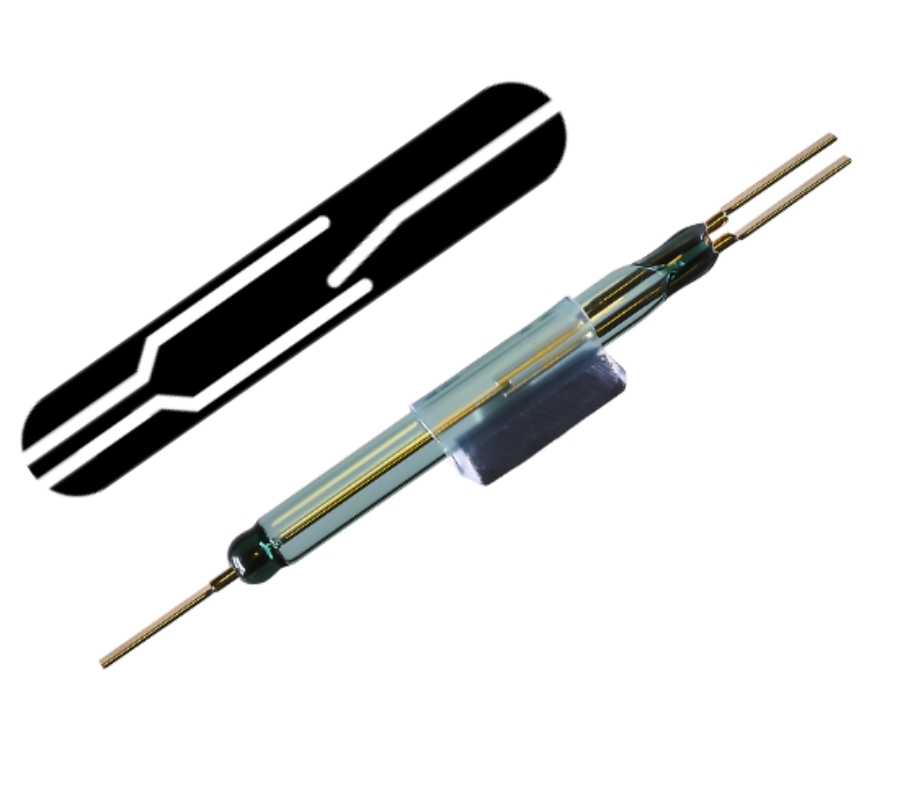
Bistable
Energy-efficient switching solution with a stable state even without continuous magnetization.
by forms
Our reed switches provide you
with the flexibility you need
Form A (normally open)
Form A (normally open)
Form B + B2 (normally closed)
Form C (changeover)
Form E (bistable)
Do you need a custom solution?

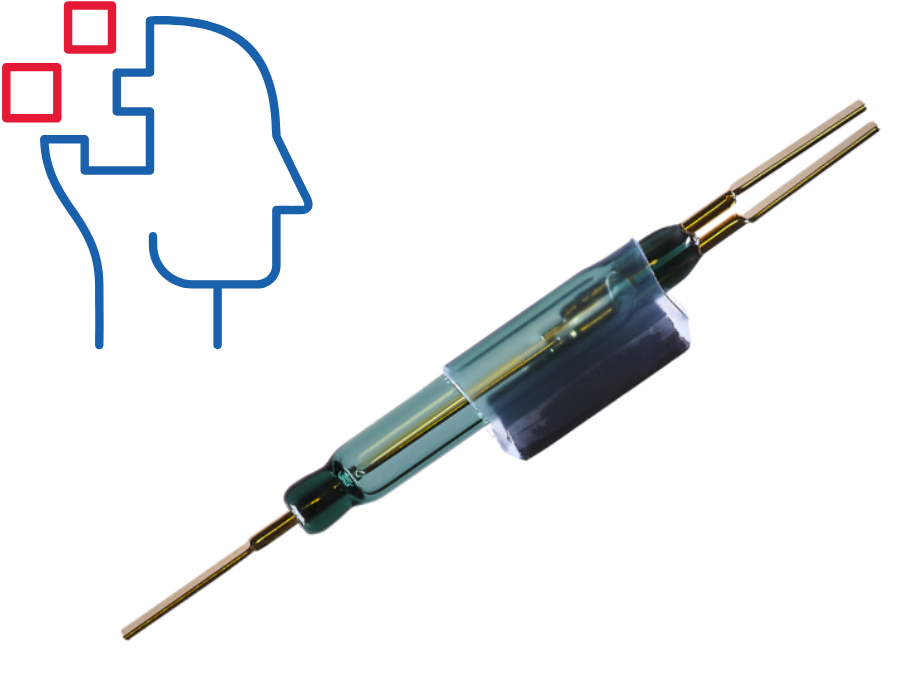
Customizing reed switches
When adapting reed sensors for specific applications, various reed switch types with special specifications can be considered. Here are some key aspects that may be relevant for customized reed sensors:
1. Contact material
2. Dimensions and shape
3. Magnetic sensitivity
The switch’s sensitivity to magnetic fields can be adjusted to switch at specific field strengths, which is important for precision applications.
4. Operating temperature range
5. Switching capacity
The switching capacity can be optimized for different loads (such as low-current or high-current applications).
6. Switching characteristics
Parameters such as switching time, contact resistance, and service life can be adapted for specific applications.
7. Modifications of reed switches
Both connection wires are shortened evenly—for a space-saving, installation-friendly integration.
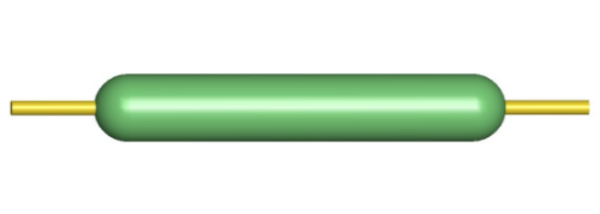
When different wire lengths are required, e.g., for specific PCB layouts or installation situations.
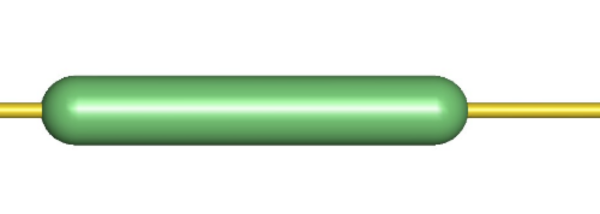
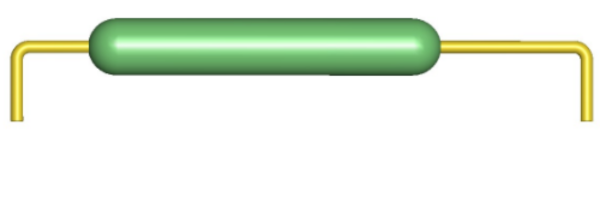
The connection wires are not only shortened but also bent precisely to specification—ideal for precise contacting or tight installation spaces.
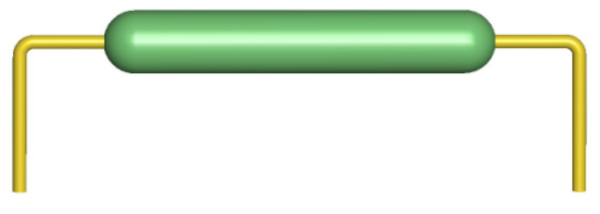
Maximum flexibility during integration: different wire lengths and individual bends for complex installation positions or special housing shapes.
FAQ: reed sensors & reed switches
Does every manufacturer have the same AW values? In other words, are 10–15 AW from my current supplier interchangeable with 10–15 AW from masetec?
Unfortunately not, or at least it is risky. In reed technology, as in other areas, efforts are made to avoid a simple switch from one manufacturer to another. Many factors matter here, such as the number of turns in the respective test coil. A coil with 5,000 turns naturally has a different value than one with 10,000 turns.
I often see the abbreviation “AW”—what is it?
Exactly—good attention! AW stands for ampere-turns and is probably the most important value in the reed world, as it defines sensitivity, i.e., the switching distance. Please note: an AW value of, for example, 10–15 AW is often equated with a switching distance of 10 to 15 mm, which is absolutely incorrect. The sensitivity of reed switches is determined in predefined coils. By applying a voltage to the coil (current flow) with a defined number of coil turns, a magnetic field is generated. If I then increase this current until the contact closes, I have determined the pull-in value (A × W). If the current is then reduced until the contact opens again, this results in the drop-out value.
What is the difference between a reed sensor and a reed switch?
Good question! A reed switch installed in a housing is generally referred to as a reed sensor, whereas the uninstalled reed is the switch.
How does a reed sensor or reed switch work?
This is, of course, the most important question, because this knowledge opens up countless applications.
Two contact blades made of ferromagnetic material are hermetically sealed into a glass tube under an inert atmosphere (e.g., nitrogen). After the sealing process, the overlapping contact blades inside the glass body form an air gap in the contact area. For improved switching behavior, the two blades are coated in the so-called contact zone with ruthenium, rhodium, or iridium. The key point, of course, is that when exposed to a sufficiently strong magnetic field, the two contact blades assume opposite polarity and thus close the contact.
What different types of reed switches are there?
Most reed switches/sensors are so-called SPST-NO (Single-Pole Single-Throw, Normally Open) types and are also referred to as Form A switches (normally open contact). However, many reed-based applications require an SPST-NC (Single-Pole Single-Throw, Normally Closed) or Form B (normally closed contact). In addition, SPDT (Single-Pole Double-Throw) or Form C (changeover contacts) are indispensable in numerous applications. In a few products, bistable switches—also known as Form E or latching—are used.
How do I achieve the largest or smallest possible switching distance?
We know that every application requires different distances. To achieve these, we can either adjust the AW value, use a stronger or weaker magnet, or even adapt the magnet material. Revising the position of the magnet relative to the reed could also lead to the desired result. You can find information in the download area about the different approaches and the resulting changes in switching behavior.
Can you modify reed switches for us?
We know how difficult it can be to modify reed switches—this is why we offer this service. Whether trimming, bending, or other adaptations: there are numerous ways to tailor reed switches precisely to your requirements.
Are there only standard options?
No—of course not. We can adapt our reed switches to your application.