



Hall
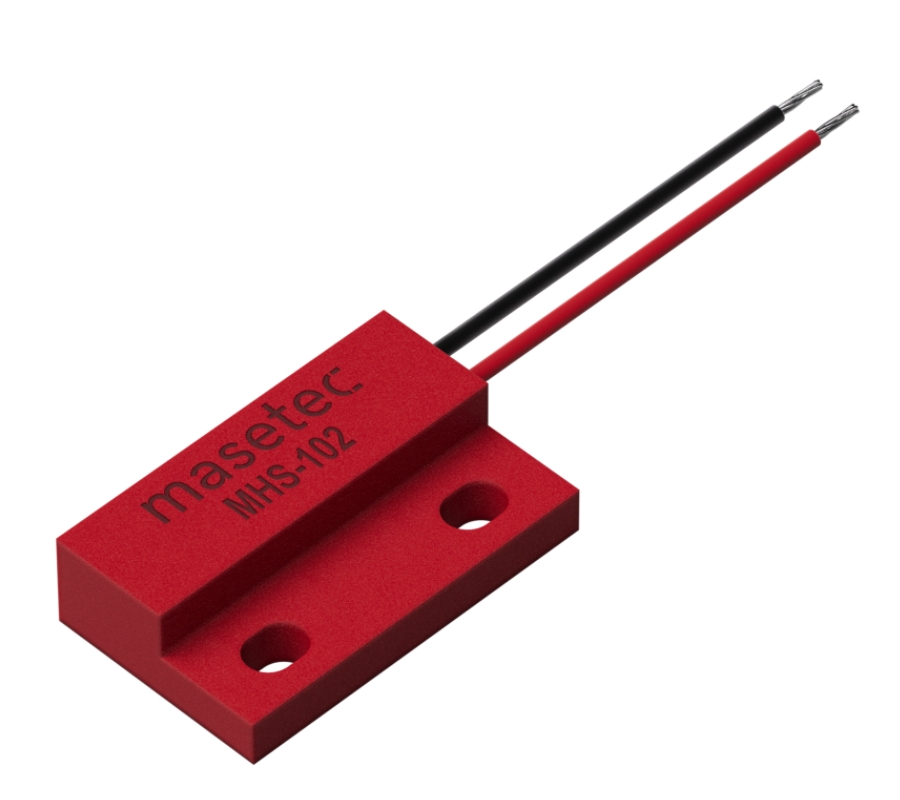
Hall sensors offer high sensitivity and precision, making them attractive for a wide range of applications. For custom, tailored Hall sensors, the following specific adaptations and specifications can be considered:
Sensitivity and measuring range
Output signal
Specific magnetic properties
Connection types
Housing material
Dimensions and shape
Operating temperature range
Flexibility and bend radius
sensor cables

For custom sensor cables designed for specific applications or environments, various specific adaptations or specifications can be considered to ensure optimum performance and reliability:
Cable material and construction
Insulation materials
Shielding
Jacket material
Conductor cross-section and length
Flexibility and bend radius
Temperature range
Connector and termination types
Flexibility and bend radius
Certifications and standards
Magnetic floats

Magnetic floats, also known as floats, are commonly used in level measurement and as switching elements in liquid containers.
For custom magnetic floats, various specific adaptations or specifications can be implemented:
For custom magnetic floats, various specific adaptations or specifications can be implemented:
Float material
Float size and shape
Magnet type & material
Operating temperature range
Reed switches
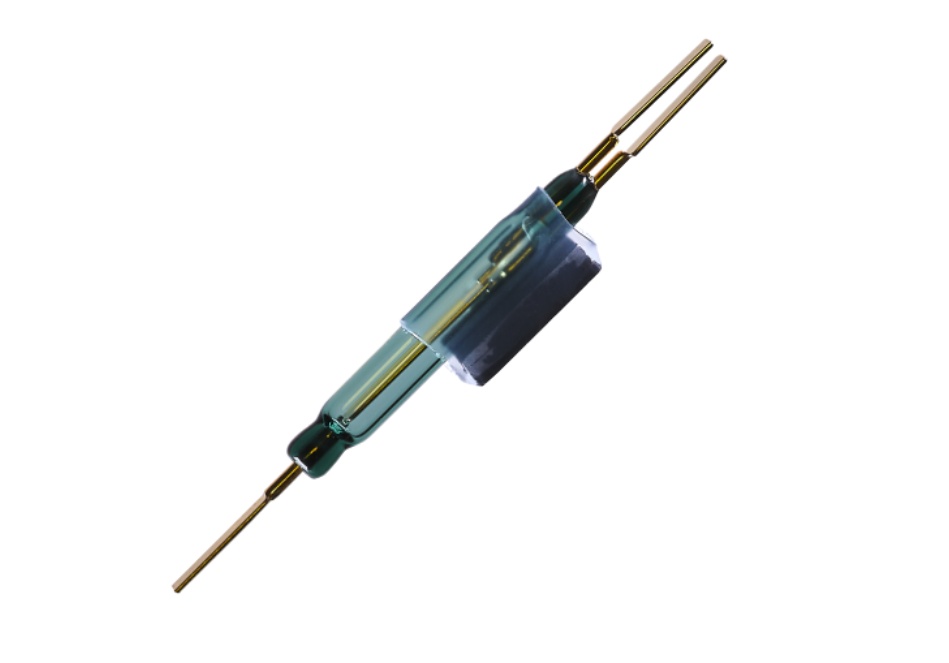
When customizing reed sensors for specific applications, various reed switch types with special specifications can be considered. Here are some key aspects that may be relevant for custom reed sensors:
Contact material
Dimensions and shape
Magnetic sensitivity
Operating temperature range
Switching capacity
Switching characteristics
Operating temperature range
SMD switches
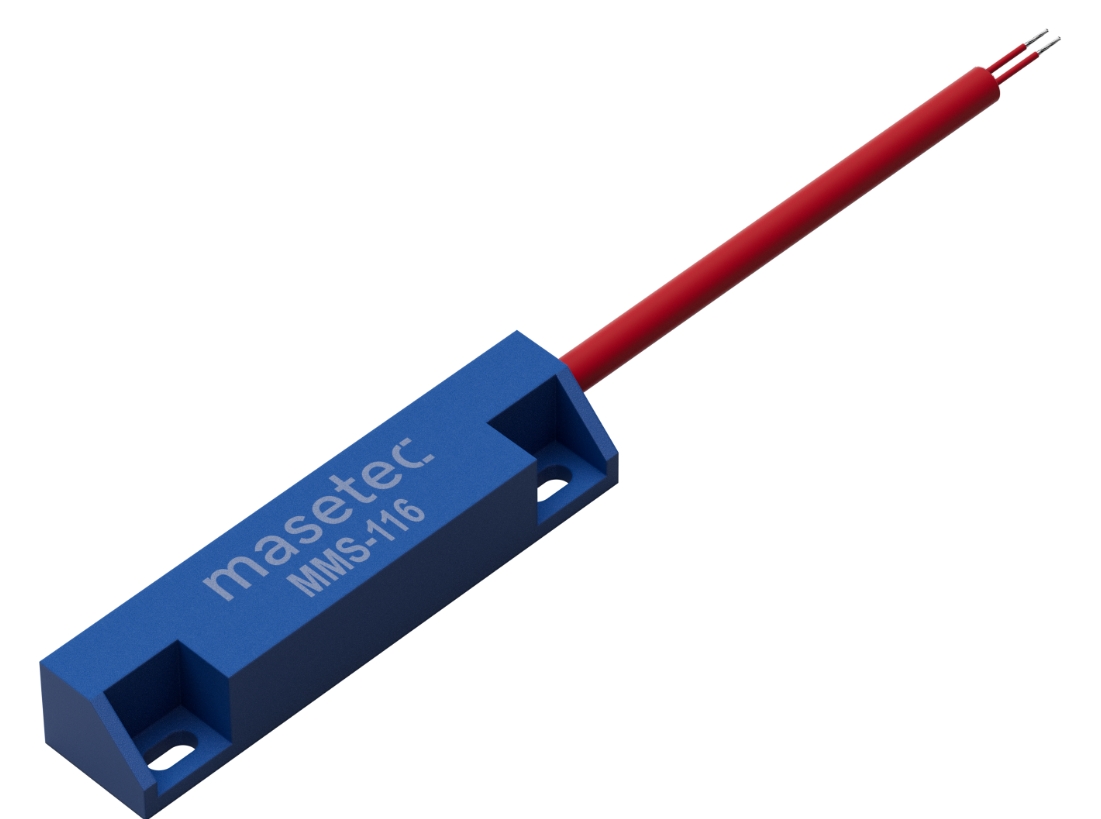
SMD switches (Surface-Mount Device) are known for their compact design and suitability for automated assembly processes on printed circuit boards. When customizing SMD switches for specific applications, various adaptations or specifications can be considered:
Size and form factor
Magnetic sensitivity
Magnet type and strength
Mounting and solderability
Contact material and design
Operating temperature range
Service life
Reed sensors
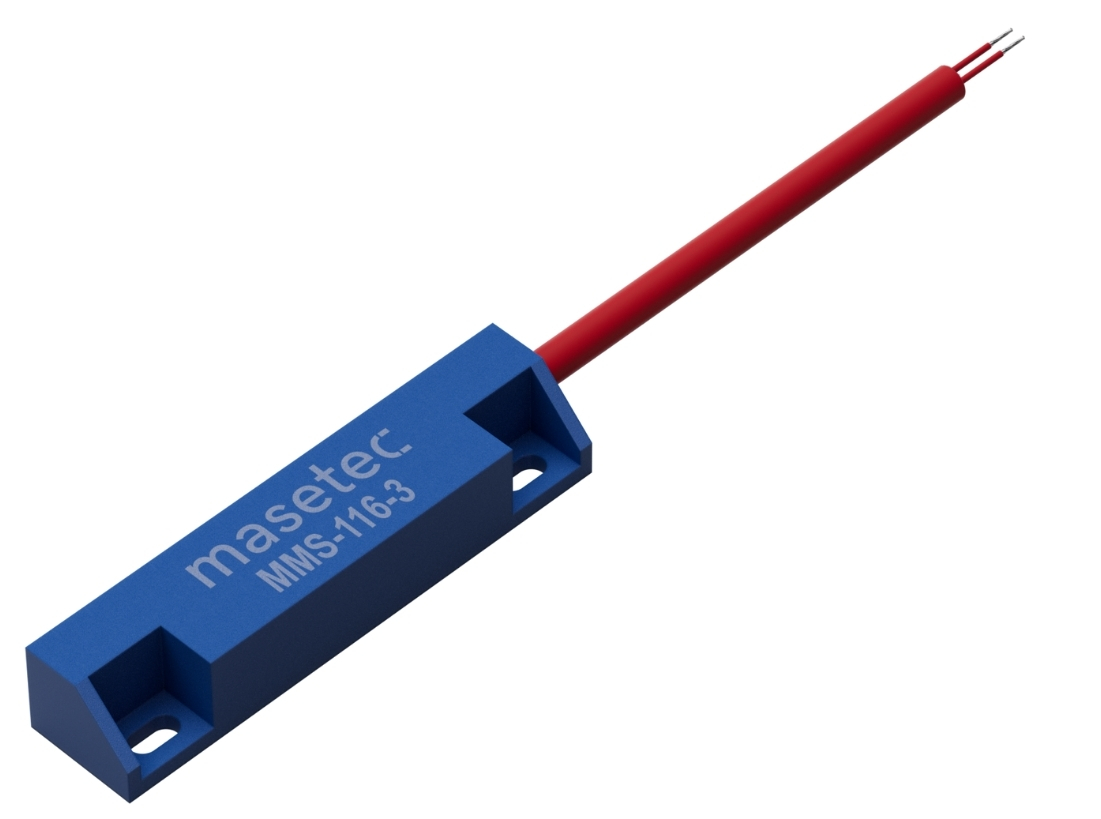
When manufacturing custom reed sensors, various specific adaptations can be made to optimally meet the requirements of your application. Some of the most important adaptations are:
Dimensions and shape
Magnetic sensitivity
Operating temperature range
Connection types
Housing material
Mounting / modification
Level sensors
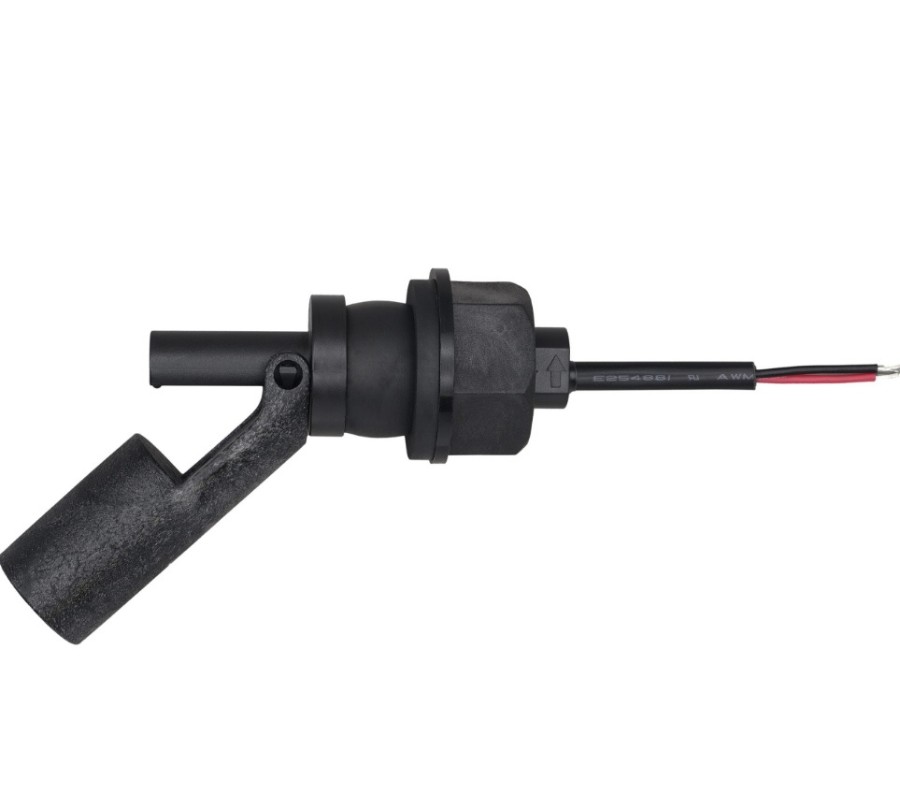
For custom level sensors, there are also a range of specific adaptations and specifications to tailor them to the requirements of a particular application. Some important adaptations for level sensors are:
Measuring principle
Dimensions and shape
Materials
Range and resolution
Temperature range
Mounting and form factor
Connection types
Integrated functions
TMR sensors
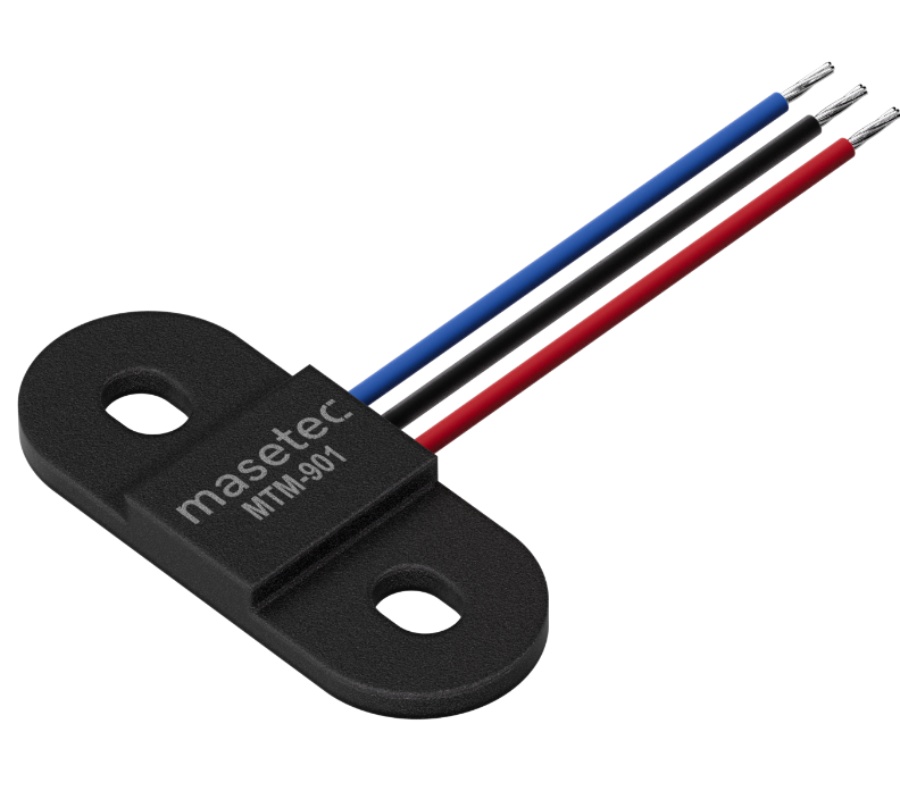
TMR (tunnel magnetoresistance) sensors offer high sensitivity and precision,
making them attractive for a wide range of applications. For custom,
tailored TMR sensors, the following specific adaptations and
specifications can be considered: