



Level Sensors
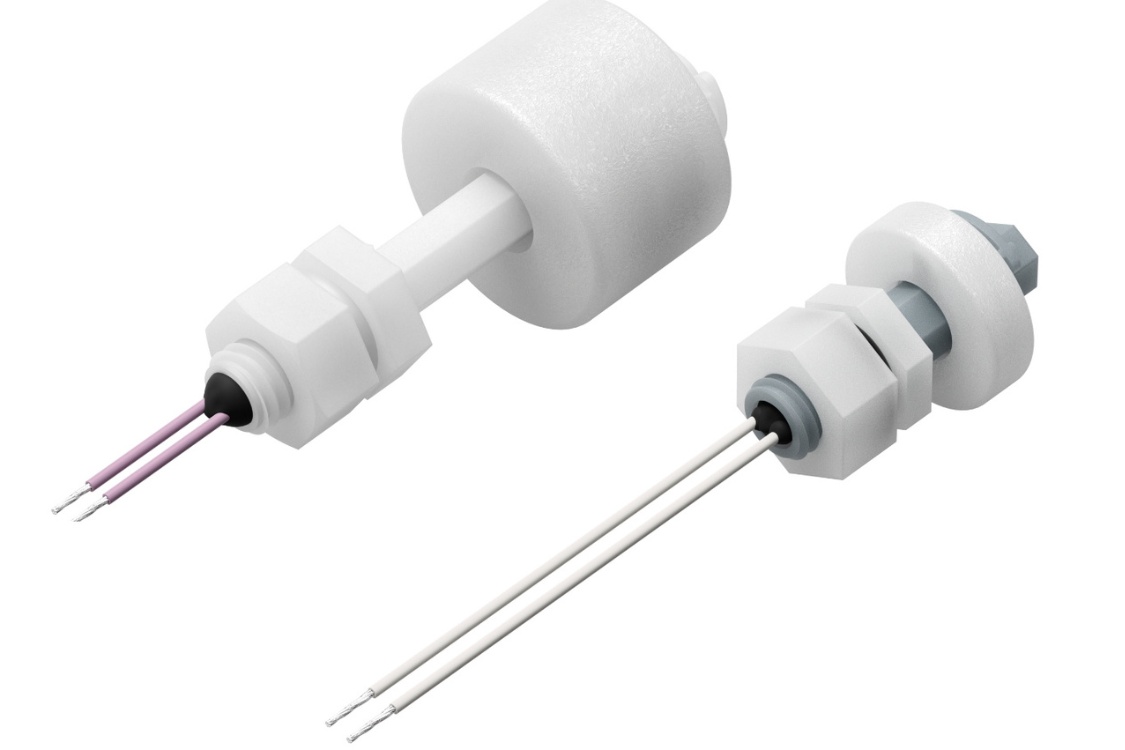
Our level sensors reliably and accurately monitor fill levels, whether for liquids or bulk materials. They operate contact-free and robustly, ideal for cross-industry applications where reliability is paramount.
Application Areas

Level monitoring, fill level measurement
All advantages at a glance
Available as standard and individually configurable:
Easy Installation:
Quick and easy vertical mounting in tanks or containers.
Precise Measurement:
High accuracy in fill level detection across the entire height of the container.
Space-saving Design:
Ideal for narrow or deeper containers with limited vertical space or special installation requirements.
Reliability:
Robust sensor technology that operates reliably even under demanding conditions.
Versatile Applications:
Suitable for liquids, bulk materials, and other substances.
Resistance:
Resistant to corrosion, chemicals, and temperature fluctuations.
Long Lifespan:
High durability due to robust construction and high-quality materials.
Easy Integration:
Compatible with existing systems and easy to integrate into control and monitoring solutions.
Application of Level Sensors
Whether in industrial processes or everyday applications, level sensors play a crucial role. They precisely measure the fill level of liquids and gases, enabling reliable monitoring. Even under demanding conditions, they operate continuously, ensuring timely responses.

Structure of Level Sensors
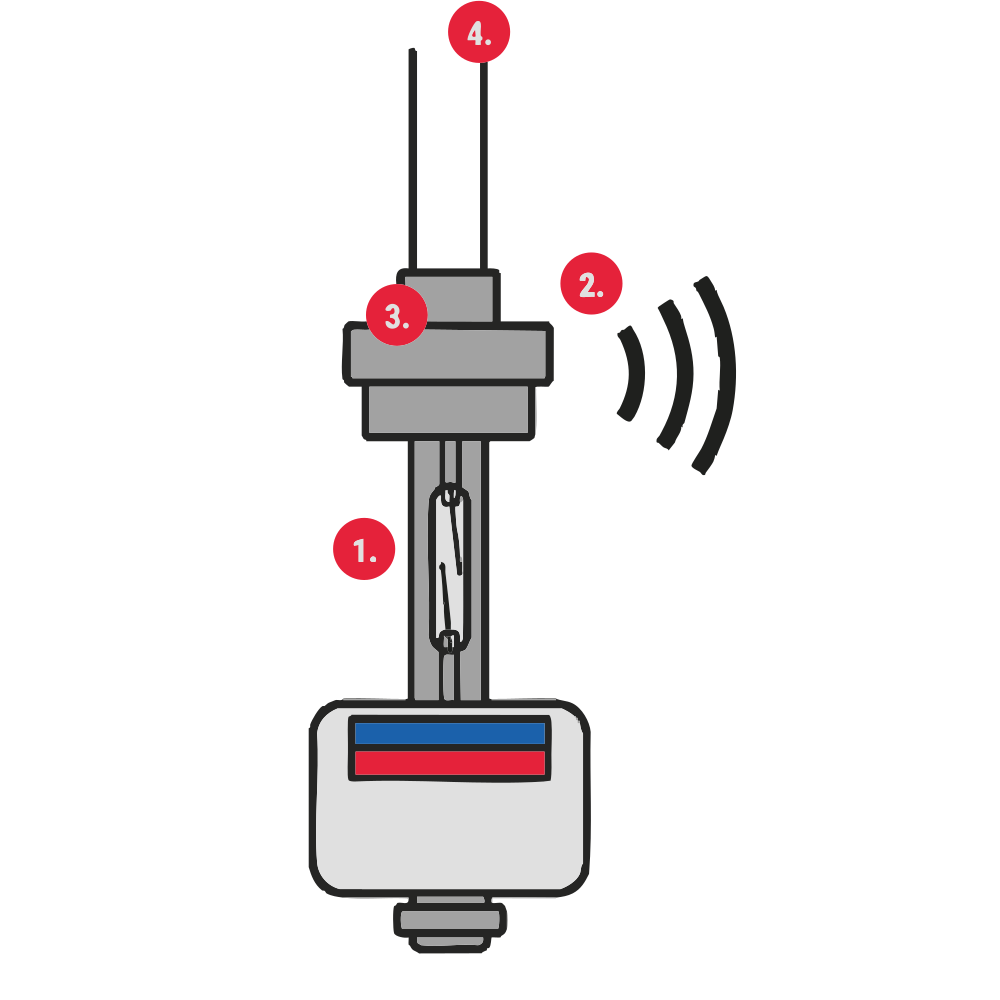
Depending on the measuring principle, level sensors consist of several central components:
1. Sensor element: Detects the fill level using various measuring methods such as capacitive, optical, mechanical, or ultrasonic.
2. Electronics & Signal Processing: Converts the detected measurements into electrical signals and processes them for transmission to control systems.
3. Housing & Protection Mechanisms: Includes robust materials such as stainless steel or plastic, which protect the sensor from environmental influences, pressure, or chemicals.
4. Connection & Interfaces: Enable connection to controllers or machines, e.g., via analog, digital, or wireless communication channels.
This well-engineered design ensures that level sensors operate reliably and precisely, even under demanding conditions.
How a Reed Level Sensor Works
A reed level sensor is based on a simple yet ingenious principle. Imagine a small magnet floating in a tank. This magnet is firmly integrated into a float and moves up and down depending on the fill level. The reed contact, housed in the riser tube or a casing, reacts to the magnet’s position. As soon as the magnet approaches the reed contact, the contact closes – signaling that a specific fill level has been reached.
There are two main ways reed level sensors are used:
Fixed installation: The magnet is integrated into a float that is permanently installed in the tank. This system offers high precision and is ideal for applications where the tank is stationary.
Free-floating: In applications where the tank is removable, the magnet is used separately from the sensor. The float moves freely in the tank, while the sensor is positioned separately. This allows for flexible adaptation to various tank shapes and sizes.
Level 1
Level 2
Level 3
Which product are you looking for?
Our Level Sensors at a Glance
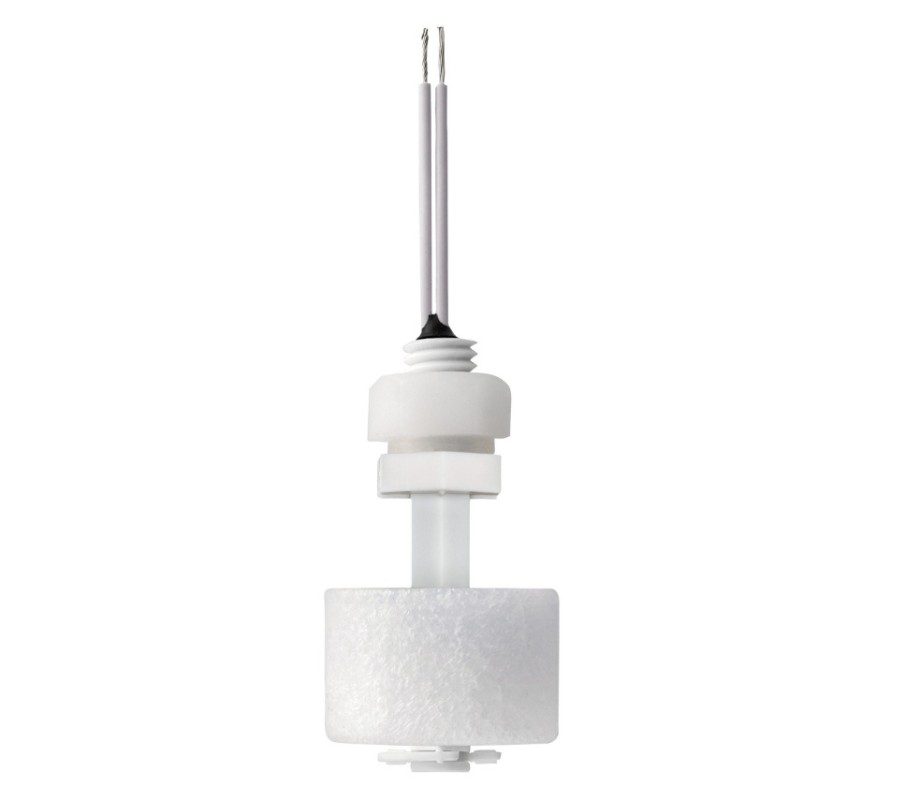
Vertical Plastic
Reliable solution for space-saving applications
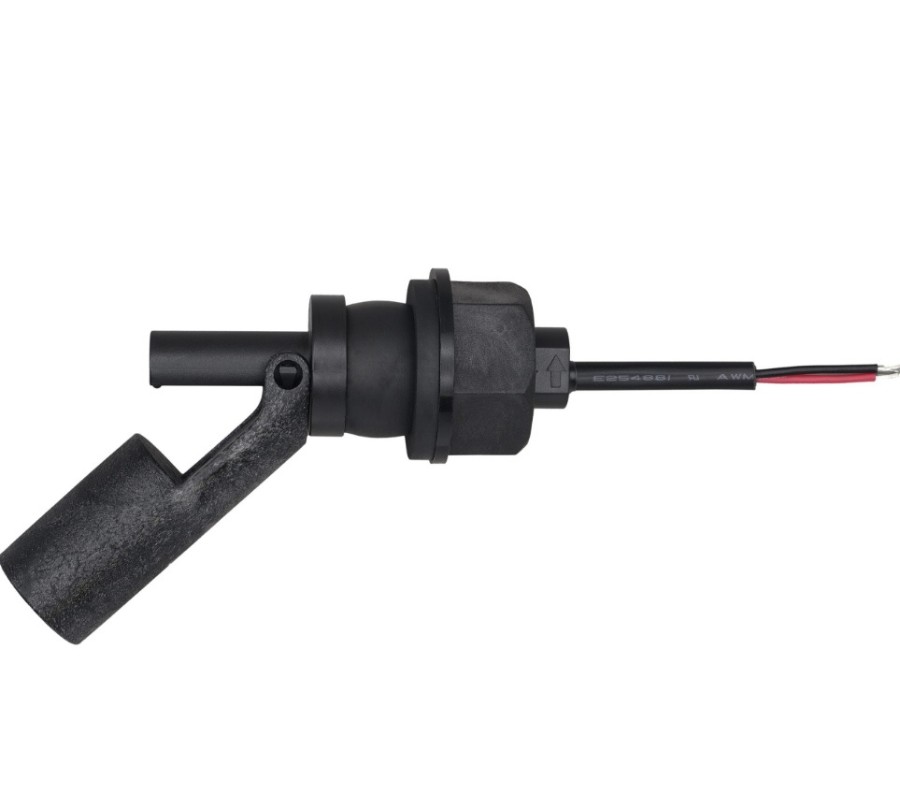
Horizontal Plastic
Easy installation and high precision
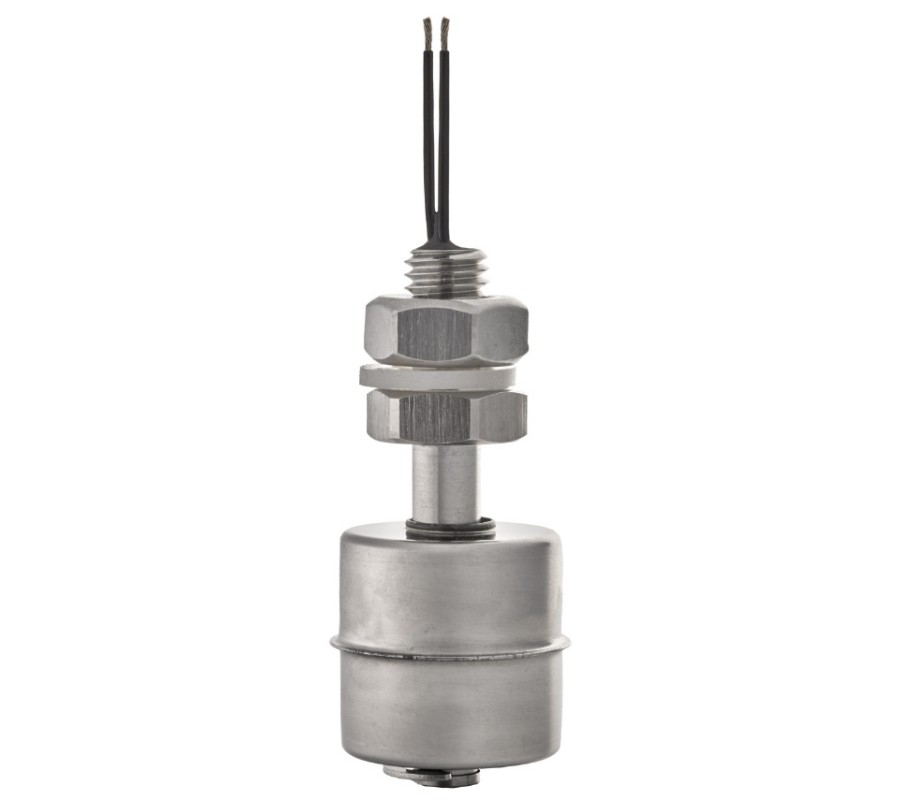
Vertical Stainless Steel
Precise functionality and easy integration
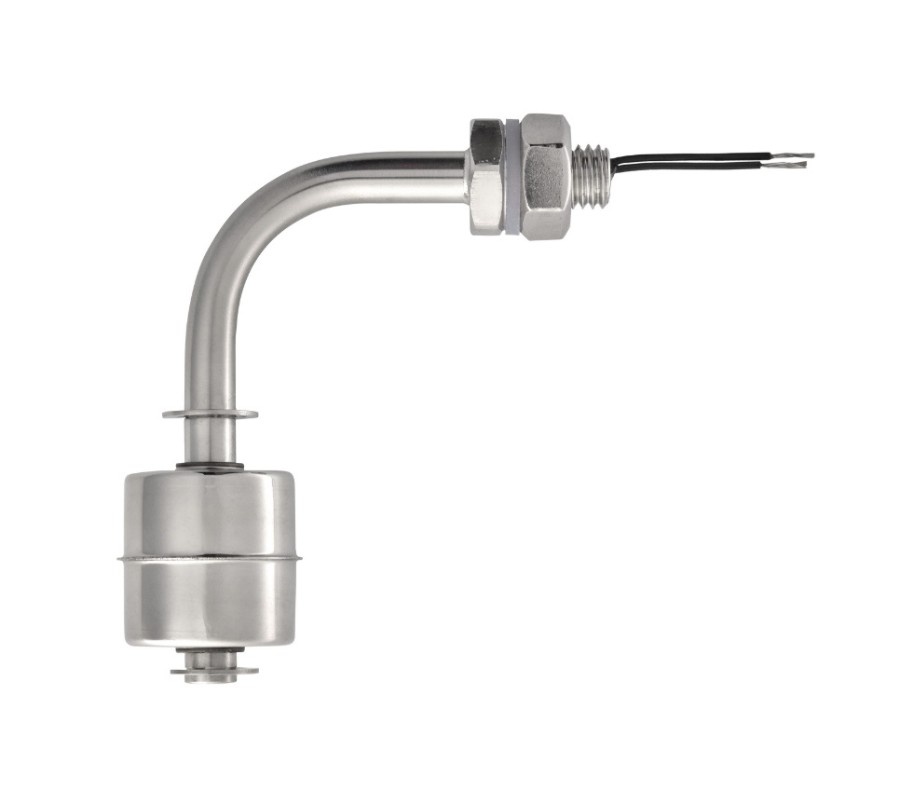
Horizontal Stainless Steel
Easy handling and reliable performance

Do you need a customized solution?

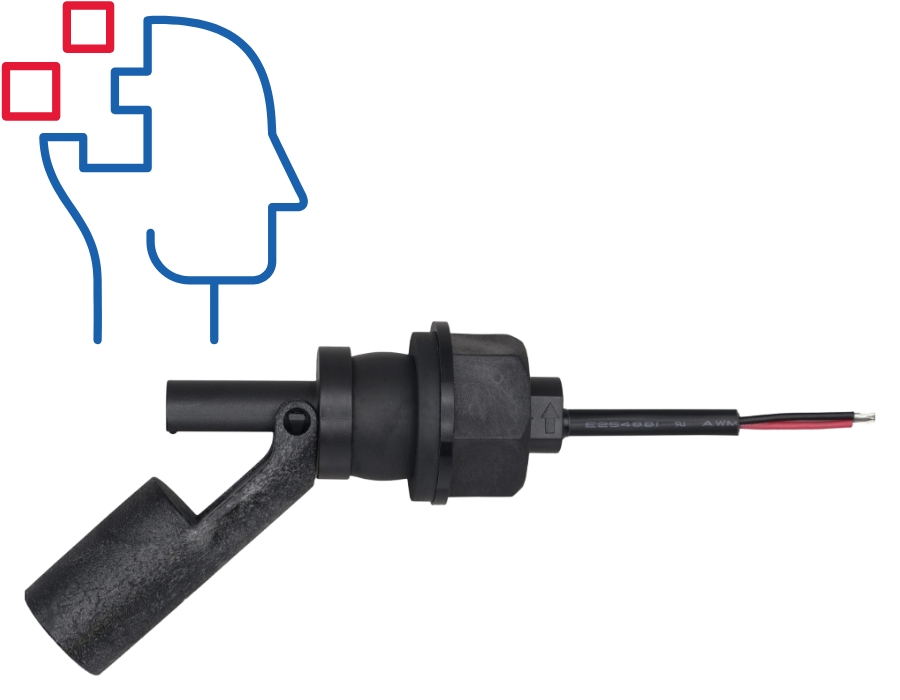
Customizing Level Sensors
In the production of customized reed sensors, various specific adjustments can be made to optimally meet the requirements of your application. Some of the most important adjustments are:
1. Measuring Principle
2. Dimensions and Shape
3. Materials
4. Range and Resolution
5. Temperature Range
6. Mounting and Form Factor
7. Connection Types
8. Integrated Functions
Additional functions, such as temperature measurement, can be added to enhance the sensor’s performance.
FAQ Level Sensors
Which shapes are available?
All shapes are available. However, we would be happy to discuss these with you in advance to offer the best solution.
On what basis do your level sensors work?
Is only the standard available?
No! Of course not. We can adapt our sensors to your application. Be it through a special housing, a special material, or simple adjustments like cable lengths and special connection variants. You can find more information here
What materials do you offer?
Most of the sensors are made of PP, PA, stainless steel, or PVC. If you require a special material, please let us know.
Which material is right for me?
That depends entirely on your application and the medium to be monitored. Contact us, and we will work with you to develop the suitable sensor.