



Sensor Cables – The Perfect Complement
Application Areas
Position control, speed measurement, level measurement, non-contact switching
All Advantages at a Glance
High Flexibility:
Reliable Signal Transmission:
Durability:
Adaptable Connectors:
Application of Sensor Cables
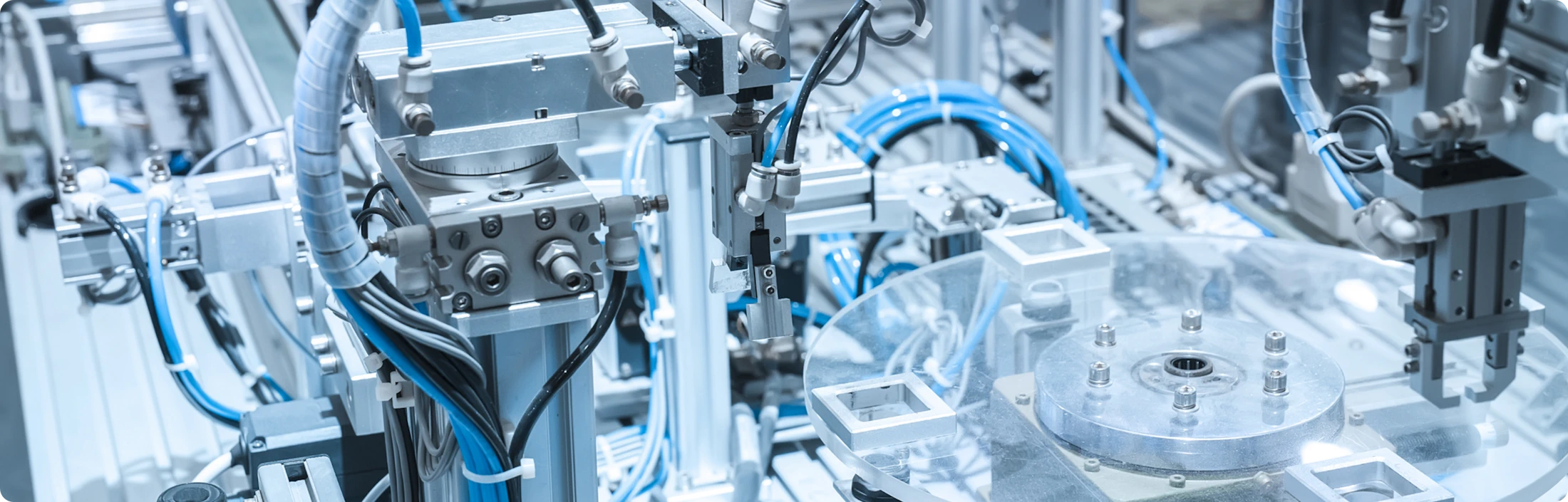
How Sensor Cables Work




Which product are you looking for?
Our Sensor Cables at a Glance
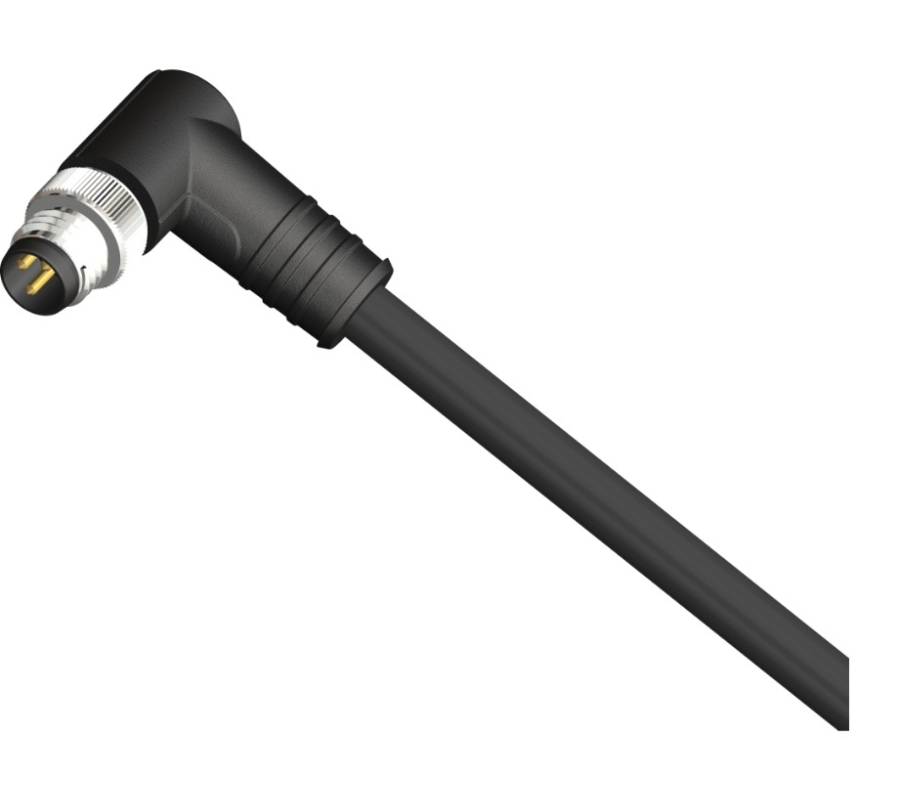
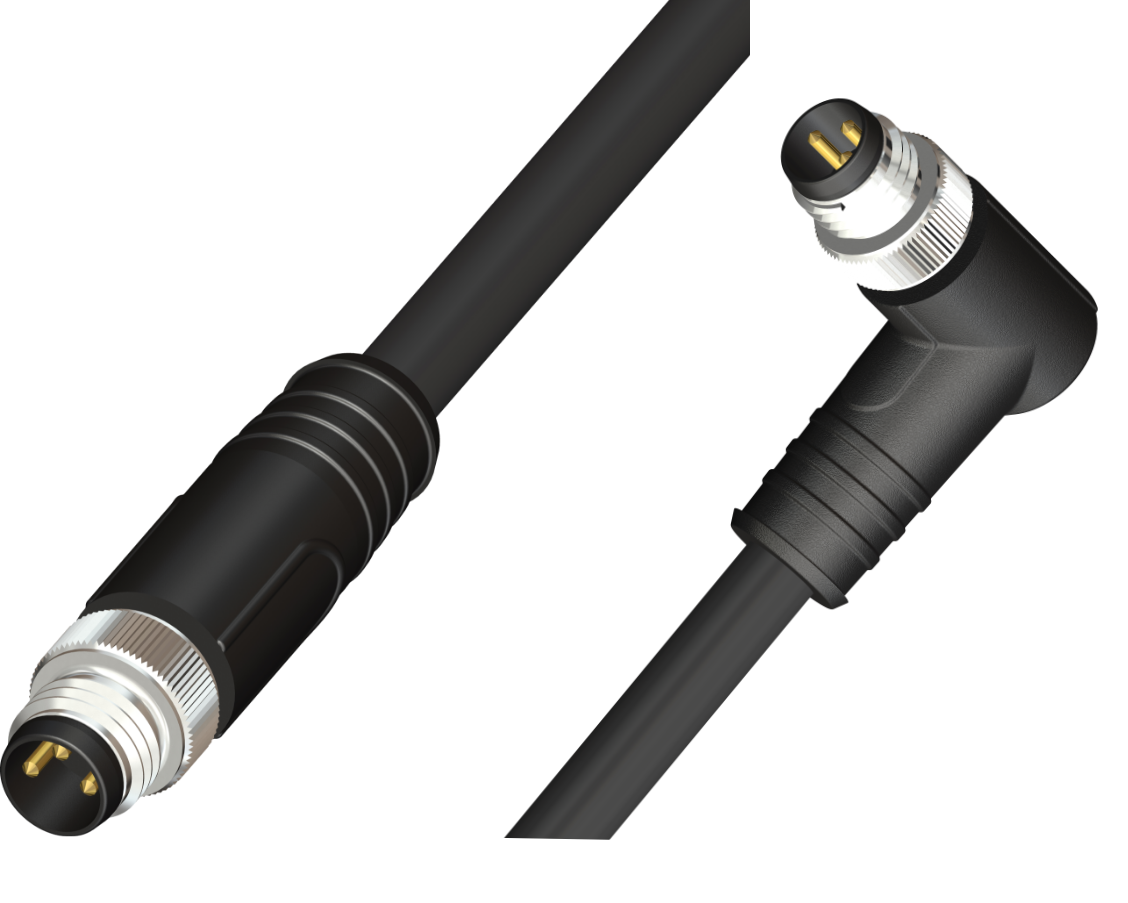
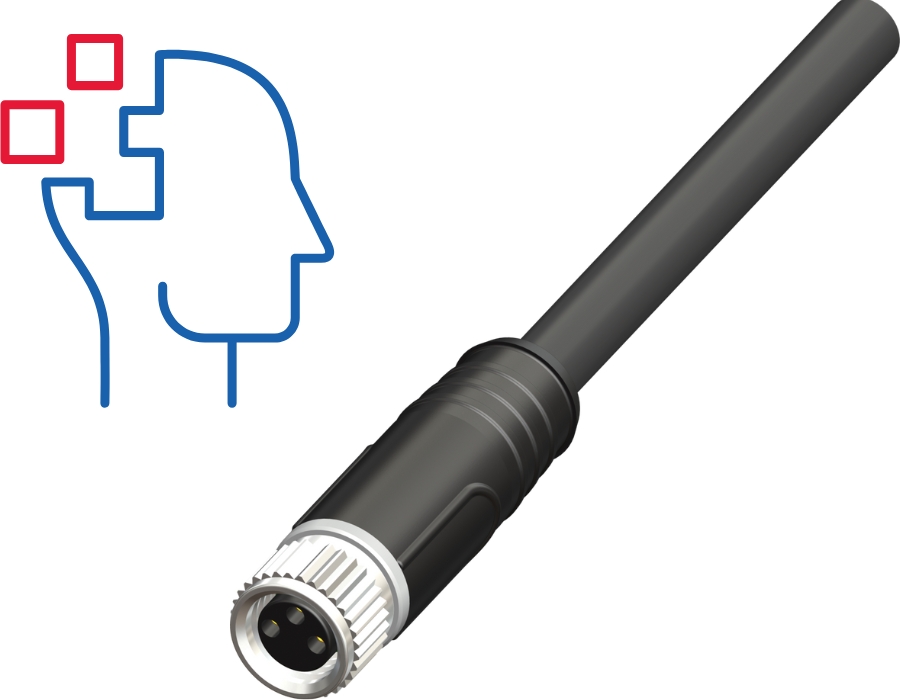
M8 – male
Reliable connection for precise sensor technology
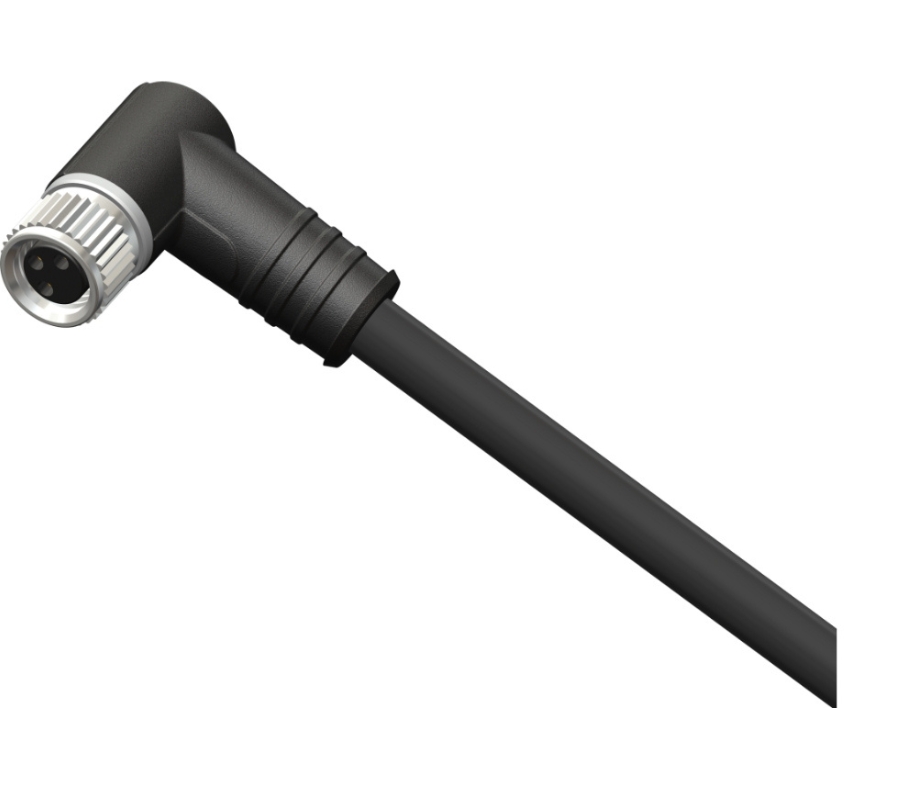
M8 – female
Compact, robust – for precise signals
Do you need a customized solution?
Customizing Sensor Cables
When manufacturing customized reed sensors, various specific adjustments can be made to optimally meet the requirements of your application. Some of the most important adjustments are:
1. Cable Material and Construction
The material of the cables can be selected depending on electrical requirements and environmental conditions. Copper is a common material, but aluminum or other alloys can also be used.
2. Insulation Materials
The insulation of the cables is crucial for preventing electrical interference and damage. Materials such as PVC, Teflon, or silicone can be selected depending on temperature resistance, flexibility, and chemical resistance.
3. Shielding
4. Jacket Material
The outer jacket protects the cable from mechanical damage, moisture, chemical influences, and UV radiation. Materials such as polyurethane or special elastomers can be chosen for harsh environments.
5. Conductor Cross-Section and Length
The cross-section and length of the cable can be adjusted depending on the required current carrying capacity and signal integrity over longer distances.
6. Temperature Range
The cable can be designed for operation in specific temperature ranges, from very low to very high temperatures.
7. Color Coding and Marking
Cables can be color-coded or marked for easy identification and installation.
8. Connector and Connection Types:
Various connector and connection types can be configured for easy and secure connection to sensors and devices. From M6 to M12, there is a suitable connection for every application.
9. Flexibility and Bending Radius
The flexibility of the cable and the permissible bending radius can be optimized for applications where movement or confined spaces play a role.
10. Certifications and Standards
The design and material selection can be made according to specific industry standards or certifications, especially if the cables are used in sensitive or hazardous environments.
Through these adjustments, sensor cables can be effectively optimized for specific requirements in various industries, such as automation technology, medical technology, the automotive industry, and many others.
FAQ Sensor Cables
Can I order the cable length according to my needs?
Absolutely! Just let us know what length you need, and we’ll take care of the rest.
Is it possible to label the cables according to my wishes?
Yes, we would make that possible for you.
Is it possible to get other cable colors?
That depends on your needs. If the quantity is large enough, we can customize the cable color to your preference.
Is it possible to individually process the open end of the cable?
Definitely! We are happy to prepare the cable for you as a plug-and-play solution.
If the dimensions of the connector do not fit, can I also adjust them?
Of course! However, here too, it depends on the required quantity, as each adjustment to the connector may incur additional tooling costs.
Is it also possible to use a special cable?
Certainly. Please also consider the required quantity here, which may need to be larger to use your desired cable.